
The land is high. The air feels thin. Mountains stand like old gods watching small human steps. This trip has to do with strolling up, climbing up higher, and the sensations of worry and delight blending with each other. Snow problems under boots. The wind talks noisily at evening. My body gets tired but my heart feels very strong. This adventure is not only about reaching the top. It is about learning patience, slow breath, and respect for nature. People come here from many countries. They come to test legs, lungs, and mind. Each route gives a different story, different lessons, and different beauty.
Giant Snow Walls and Ice Learning Days
Lobuche Peak Climbing—Sharp Ridge and Real Alpine Feel
Lobuche Peak Climbing stands near famous ice fields and big glacier rivers. It feels wild and serious. Many people say this peak is the perfect step from trekking to true mountaineering. Ice axe becomes best friend. Rope teaches teamwork. Crampons bite ice hard and make sounds like metal songs.
The route moves through a rocky valley first. Then snow appeared slowly. Camp nights are cold and silent. Stars look very close. The training day before the summit is important. You learn how to walk on rope, how to stop falling, and how to trust a guide’s voice.
Summit day starts very early. Dark sky and headlamp light only. Wind can be angry. The ridge feels narrow. One side drops deep. The heart beats fast but the mind stays focused. When the top is reached, big mountains stand all around. You feel small but proud. This climb changes how you see mountains forever.
The Most Popular Beginner Snow Summit
Island Peak Climbing—The Dream First Snow Peak
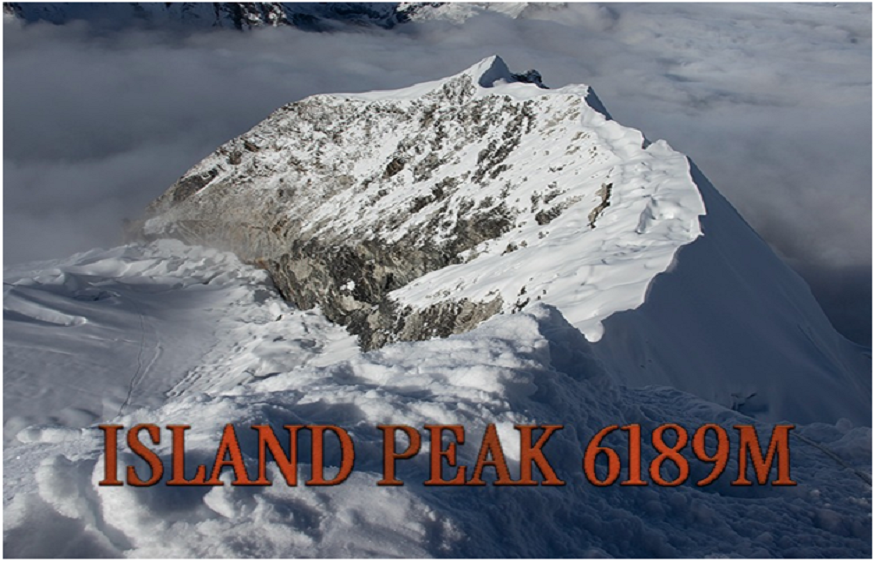
Island Peak Climbing is loved by many climbers for the first time. It stands beautifully inside a big valley with ice walls around. The shape looks like an island in a sea of ice; that is why people call it that. The path to the base camp passes green villages, stone houses, and smiling local people.
Training is simple but important. Ladder crossing over crevasse feels scary at first. But a guide helps and you learn quickly. Fixed rope goes up a steep ice wall near the top. Legs burn. Breath short. But every step feels like victory.
The summit gives a wide view. Big famous mountains shine close. You see glaciers like frozen rivers. Many people cry here. Not from pain, but from happiness. This climb gives confidence. After this, many climbers want to go higher and harder.
Long Walk to the High White World
Mera Peak Climbing—High Altitude but Gentle Soul
This peak is one of the highest trekking peaks. Mera Peak Climbing is not very technical but altitude is a big challenge. Journeys start far from crowded trails. The forest is thick and quiet. Rivers are clean and loud. Villages are small and peaceful.
Days are long walks. The body adjusts slowly. That is key here. Acclimatization days are important. You get a headache sometimes. But a slow pace helps a lot. The snowfield near the top is wide and endless. Walking feels like a dream.
Summit day is long. Many hours up and many hours down. Cold hits face strongly. But the slope is gentle. When you reach the top, the view is crazy wide. Five of the world’s highest mountains show together. The sky feels close. Earth feels far. This climb teaches patience and endurance more than skill.
Soft Green Hills and Calm Cultural Walk
Pikey Peak Trek – Easy Path and Big Sunrise
Pikey Peak Trek is different. No rope. No ice axe. But beauty is deep. Hills roll like waves. Rhododendron forest glows red in season. Small monasteries sit quietly on a ridge.
Walking days are gentle. You pass yak pastures and stone walls. People greet you with tea and a smile. Nights are warm in the teahouse. Fire burns in the kitchen. Stories shared.
Sunrise from the top is magic. Many mountains show in soft light. Everest also appears far but clear. This trek is perfect for those who want peace, culture, and views without hard body pain. It feels like meditation with walking.
Comparing the High Snow and Soft Trail
Each adventure gives a different feeling. Snow peaks test fear and skill. Hills trek tests heart and soul. Some people love cold ice and rope. Some love forest and village life.
One route teaches technical movement. One teaches altitude control. One teaches long endurance. One teaches calm joy. All of them share one thing. Respect for mountains. Slow steps. Deep breath.
Best Season to Go Up High
Spring is colorful and stable. Snow is fresh. The weather is kind. Autumn is clear and cold. Sky blue is strong. Winter is very cold but quiet. Summer brings rain and clouds, but some routes are still possible.
Choosing the right season helps with safety and joy. Always check the weather and listen to local advice.
Body and Mind Preparation
Training before a journey is important. Walking uphill with weight helps. Cardio helps lungs. But mind preparation is also big. You must accept a slow pace. You must accept discomfort. Mountains teach humility.
Good sleep, good food, and positive thinking make a big difference.
Gear That Matters Most
Warm jackets save lives. Good boots save feet. Sunglasses protect eyes. Sleeping bags protect sleep. For snow climbing, crampons, harnesses, and helmets are a must. But guides usually provide technical gear.
Simple rule. Light but warm. Strong but simple.
Local Guide and Safety Value
The guide knows the weather mood. They know trail stories. They help when the body fails. Porter carries the load and smiles even in pain. Respect them. Pay fairly. Listen always.
Safety is not a joke in the highlands. Turning back is also a success sometimes.
Culture Along the Way
Prayer flags fly everywhere. Mani stones line the path. Monasteries hum with chant. Mountains are gods for local people. Do not shout. Do not rush. Walk with respect.
This cultural feeling makes the journey deeper than just sport.
Food on the Trail
Dal bhat gives power. Soup warms the soul. Tea keeps the spirit high. In high camp food is simple but enough. Eat even when you’re not hungry. The body needs fuel.
Hydration is key. Drink more than you want.
Who Should Choose Which Route
First-time snow climbers choose the easier technical peak. Strong walkers who want high altitude choose the long white summit. Calm travelers choose hill treks. Experienced climbers choose a sharp ridge challenge.
There is no best choice. Only the right choice for you.
Cost and Time Overview
Snow climbs need permits, guides, and gear. Cost higher. Time around two to three weeks. Hill treks cost less and the time is shorter. Planning early saves money and stress.
Final Thought from the Highland
These journeys are not races. They are having a conversation with a mountain. Sometimes mountains say yes. Sometimes I say no. Both are lessons.
When you come back, your body is tired. But my soul is full. Memories stay forever. Snow, wind, silence, and sunrise stay inside the heart. Nepal’s high paths always call back again.
Contact Details
——————————–
Company address: Everest Trekking Routes Pvt. Ltd.
16 Khumbu, Nayabazaar, Kathmandu, Nepal
Mobile : +977-9843467921 (Rabin)
Email: [email protected]